
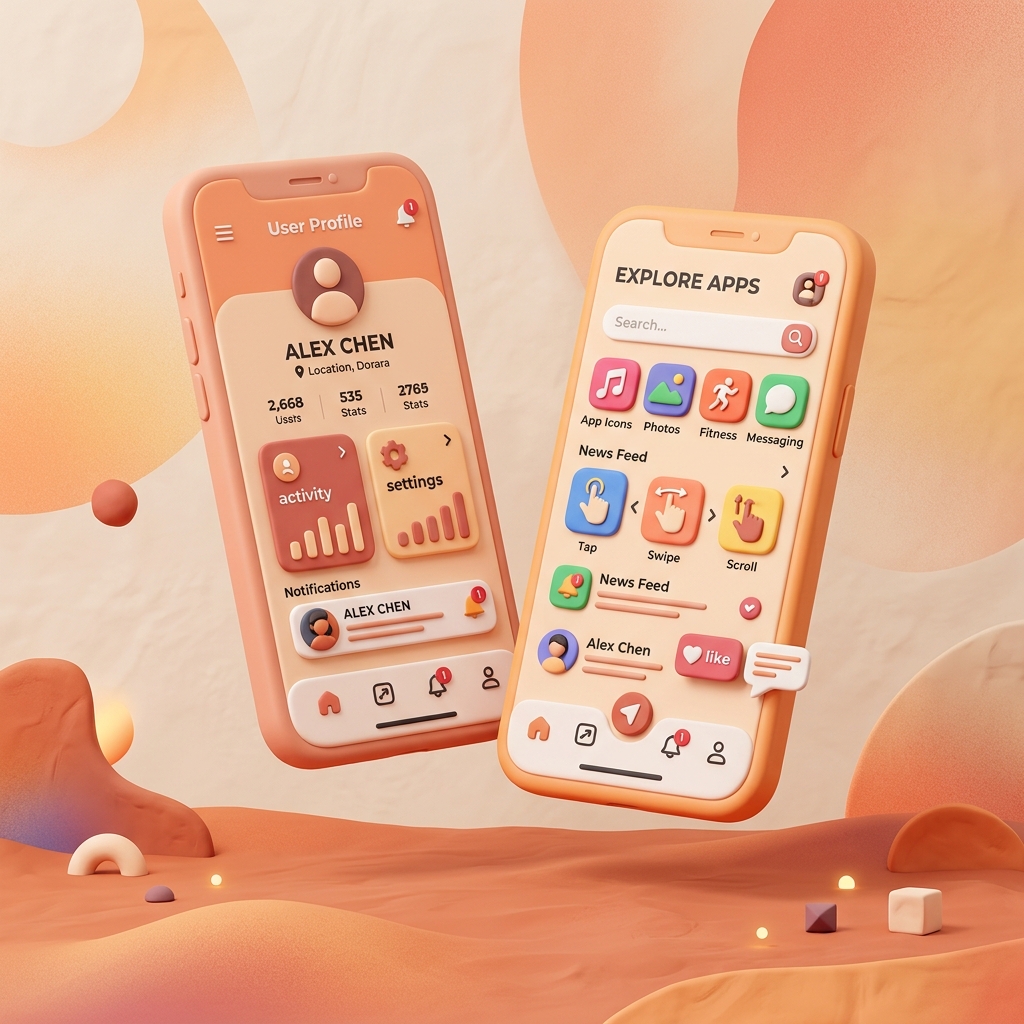
Launching a commercial mobile application on the Apple App Store and Google Play Store requires far more than exporting responsive web views into a wrapper. Today's mobile consumers demand 120 FPS buttery scrolling, native haptic feedback, and instant offline availability.
The Power of Early TestFlight Beta Builds
One of the most common pitfalls startups and enterprise brands face is waiting until month six of development to put software on physical hardware. Simulators on high-powered MacBooks mask real-world constraints like battery throttling, cellular antenna latency, and one-handed thumb reach.
At Thathal ITS, our mobile sprint methodology requires interactive TestFlight builds by Week 2. When stakeholders and beta testers can tap, swipe, and trigger push notifications on their personal iPhones and Galaxy devices, feedback is immediate and actionable.
“Testing on physical hardware reveals ergonomic friction points that no Figma prototype or desktop simulator could ever simulate.”
Thumb-Zone Ergonomics & 120 FPS Spring Physics
Over 78% of smartphone interaction happens with one hand. We engineer navigation bars, bottom sheets, and primary calls-to-action within the “natural thumb reach zone”, avoiding the uncomfortable stretch to the top corners of large 6.7-inch displays.
Using Apple's SwiftUI native spring interpolations and Jetpack Compose physics, every modal dismiss and sheet drag responds directly to user touch velocity, creating an organic tactile feel that users subconsciously trust.
Navigating App Store Review Guidelines
Apple's Guideline 4.2 (Minimum Functionality) and Google Play's 14-day closed testing mandates catch many development teams off guard. By adhering to human interface guidelines (HIG), supporting native Sign In with Apple, and implementing transparent privacy manifests, our builds sail through first-round submission with zero delays.